When I started writing software professionally over twelve years ago, the frontend landscape was dominated by jQuery, MooTools, and raw XMLHttpRequest calls. On the backend, we deployed monolithic PHP 5.3 applications directly to shared Apache servers via FTP. Over the ensuing decade, I watched an endless parade of revolutionary tools arrive with immense fanfare: Backbone, AngularJS, Meteor, Grunt, Gulp, Webpack, Docker, Kubernetes, React, Vue, Server Components, and now Generative AI copilots.
For junior developers and experienced engineers alike, this relentless pace of technical churn frequently produces acute anxiety and burnout. It is easy to feel as though you are trapped on a technological treadmill: no sooner do you master one framework than the industry pivots to another. However, after leading engineering teams through multiple architectural migrations, I realized a fundamental truth: frameworks and libraries have a half-life of three to five years, but core computer science principles never depreciate.
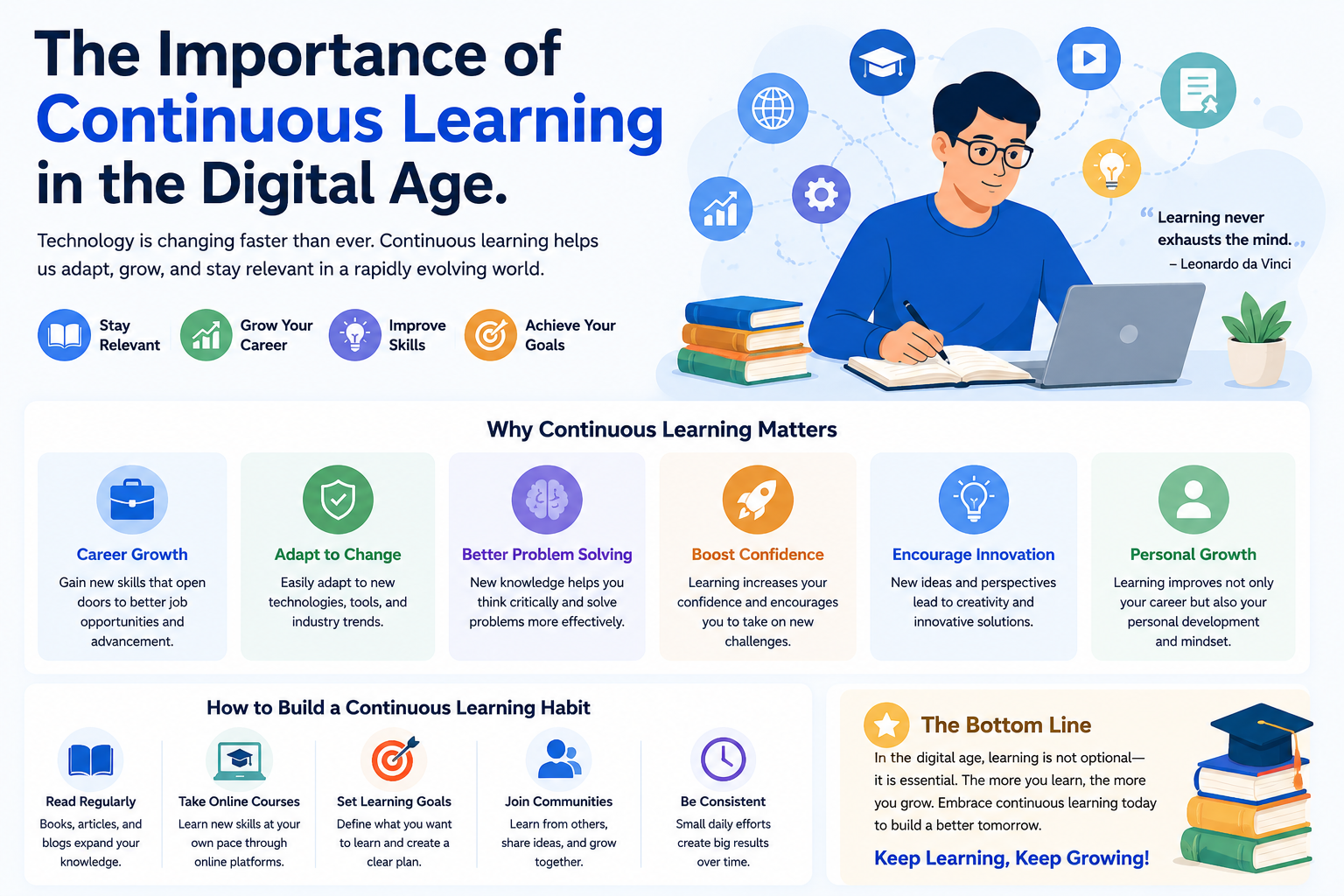
To thrive as a software engineer in 2026, you do not need to learn every new JavaScript library released on GitHub. Instead, you need a disciplined, high-leverage learning framework that separates temporary syntactic churn from permanent foundational knowledge.
The Half-Life of Tools vs. The Timeless Core of Computing
In software engineering, technical knowledge falls into two distinct categories:
- Syntactic Ephemera (Low Half-Life): The specific configuration flags of a build tool, the lifecycle hook names of a frontend framework, or the proprietary query syntax of an emerging cloud database. This knowledge is necessary for day-to-day coding, but it becomes obsolete rapidly as frameworks evolve.
- Foundational Mechanics (Permanent High Value): Operating system process models, memory allocation, TCP/IP networking, relational database normalization, B-tree indexing mechanics, cryptographic primitives, distributed systems consensus, and computational complexity ($O(n)$ analysis). These foundational principles have remained remarkably stable for over four decades.
| Domain | Ephemeral Knowledge (Fast Churn) | Permanent Foundation (Timeless Value) | Expected Useful Lifespan |
|---|---|---|---|
| Web Architecture | Next.js App Router conventions, Webpack config options | HTTP/1.1 vs HTTP/2 vs HTTP/3, TLS handshake, browser critical rendering path, DOM tree construction | 20+ Years |
| Data Persistence | Specific ORM query helper syntax (Prisma, TypeORM) | Relational algebra, B-Tree index structure, ACID transaction isolation levels, write-ahead logging (WAL) | 30+ Years |
| Security & Auth | Specific SDK wrappers for third-party auth providers | Public-key cryptography, symmetric ciphers (AES-GCM), key derivation (Argon2), OAuth 2.0 / OIDC protocols | 25+ Years |
| System Performance | Third-party bundle analyzer plugins | CPU cache locality, memory fragmentation, event loops, garbage collection mechanics | 30+ Years |
When you understand how a B-tree index operates inside a database engine, you can immediately optimize queries across MySQL InnoDB, PostgreSQL, SQLite, or Oracle without reading a single marketing tutorial. When you understand how browser rendering engines construct render trees and trigger repaints, you can diagnose Core Web Vitals bottlenecks across React, Vue, Svelte, or vanilla JavaScript effortlessly.
The Production-Readiness Filter: How to Evaluate Emerging Tech
Whenever a new framework or technology explodes in popularity on social media, I evaluate it using a four-point Production-Readiness Filter before investing engineering time or company resources:
- Observability and Debuggability: When this tool throws an unhandled exception in production at 3:00 AM under 10,000 requests per second, how transparent are its stack traces? Can I inspect its internal state using standard debuggers (like Chrome DevTools, GDB, or Xdebug), or does it hide runtime execution behind layers of opaque abstraction?
- Failure Mode Transparency: How does the technology fail? Does it fail loudly and deterministically, or does it degrade silently with memory leaks and intermittent locking issues?
- Exit Strategy & Lock-in: If the primary maintainer abandons the project or introduces hostile licensing terms, how difficult is it to migrate our codebase away from it?
- Performance Under Real-World Constraints: How does it behave on a resource-constrained mobile device with a slow 4G connection, or on a server with limited RAM?
Continuous Learning in the Age of AI Pair Programming
The widespread adoption of AI coding assistants (like GitHub Copilot, Claude, and Gemini) has fundamentally altered the daily mechanics of software development. Tasks that once required an hour of searching Stack Overflow—such as writing a complex regex pattern or crafting an SQL migration script—can now be generated in three seconds.
However, AI assistants introduce a subtle, dangerous learning trap: the illusion of comprehension. It is remarkably easy to accept generated code snippets without understanding their underlying memory implications, concurrency locks, or edge-case failure modes. If you rely on AI to generate code you cannot independently verify and explain, you are not developing as an engineer; you are simply outsourcing your debugging debt to your future self.
To use AI effectively for continuous learning:
- Treat AI as a Skeptical Junior Colleague: Never commit AI-generated code to production until you have read every line, verified its time complexity, and confirmed how it handles null bytes, boundary conditions, and invalid inputs.
- Use AI for Socratic Inversion: Instead of asking an AI model to write the solution for you, write your own implementation first and ask the AI: "What edge cases, concurrency race conditions, or memory leaks could break this function under high load?"
- Inspect the Standard Specifications: When an AI proposes an unfamiliar API function, do not just copy it—open the official RFC document or MDN documentation and read the formal specification.
My Weekly Engineering Practice Routine
To maintain consistent learning without sacrificing delivery deadlines, I use a simple Three-Tier Learning Cadence:
- Daily (15 Minutes) - Reading RFCs and Changelogs: Instead of doom-scrolling social media, I read release notes for tools we run in production (e.g. PHP 8.4 changelogs, MySQL release notes, Linux kernel updates) and scan official IETF drafts.
- Weekly (2 Hours) - Sandbox Experimentation: Every Friday afternoon, I maintain a dedicated "scratch" directory where I build miniature prototypes to test a specific concept in isolation—benchmarking a database indexing strategy, testing a Web Crypto API algorithm, or writing a custom streaming parser from scratch.
- Quarterly (1 Full Day) - Deep Source Code Reading: Once a quarter, I pick a mature, world-class open-source codebase (such as Redis, SQLite, or the Nginx core) and read through a specific module. Seeing how master engineers handle memory allocation, error propagation, and defensive validation in production C or Go code teaches lessons that no blog post can duplicate.
By investing your learning hours into foundational principles rather than fleeting syntactic trends, you build an unshakeable engineering career that remains resilient through every technological shift.